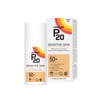
Riemann P20 Sensitive Skin Sunscreen SPF50+ 200ml is formulated for sensitive skin, offering reliable protection and a pleasant application experience.
Riemann P20 Sensitive Skin Sunscreen SPF50+ 200ml is a sunscreen formulated specifically for sensitive skin, offering reliable protection against the harmful effects of UV radiation. This broad-spectrum sunscreen defends the skin from both UVA and UVB rays, with an SPF of 50+. Additionally, it boasts a UVA Protection Factor above 40 (PA++++), twice the EU's required UVA protection. Furthermore, this product's formula incorporates Triple Protection Technology, which provides up to 10 hours of protection. It is highly water-resistant, protecting up to 80 minutes in the water (4×20 minutes). Additionally, it boasts a fast-absorbing texture that ensures even application and a comfortable finish. Last but not least, it is allergy-certified and dermatologically tested for sensitive skin. All in all, this sunscreen is a great option for those with sensitive skin, offering reliable protection and a pleasant application experience.
Apply an appropriate amount of Riemann P20 Sensitive Skin Sunscreen SPF50+ 200ml to the skin. Reapply frequently, every 2 hours and after swimming, perspiring, or towel-drying.
In this section we answer frequently asked questions about Riemann P20 Sensitive Skin Sunscreen SPF50+ 200ml (6.76floz)
Sunscreen gets its protective power from ingredients called sun filters, which fall into two groups. "Mineral" is the common name for inorganic filters, of which there are only two: zinc oxide and titanium dioxide. "Chemical" is the common name for organic filters, which are carbon-based compounds and cover multiple different ingredients. A mineral sunscreen uses only inorganic filters, a chemical sunscreen uses only organic filters, and a sunscreen that combines both is known as a hybrid.
Both types of filters mainly protect the skin by absorbing UV radiation. Mineral filters, along with a few organic ones, also reflect a small portion of it.
SPF measures protection against UVB radiation. In the EU, the highest SPF on a cosmetic sunscreen label is SPF50+, which corresponds to the "very high protection" category and is used when the measured SPF is 60 or higher.
Some sunscreens, usually designed for specific skin conditions, are classified as medical devices rather than cosmetics, and these can show higher values, such as SPF100.