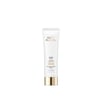
Missha Safe Block RX Cover Tone Up Sun SPF50+/PA++++ acts like a high coverage foundation while also offering maximum protection against UVA/UVB rays, preventing all kinds of external threats!
Missha Safe Block RX Cover Tone Up Sun SPF50+/PA++++ offers optimal coverage to all skin types without clogging pores. In fact, thanks to the maximum level of SPF, a suitable portion shields even the most vulnerable complexions against UVA/UVB rays. Besides blocking all kinds of external threats, this has a wonderful brightening as well as anti-aging effect, targeting wrinkles/fine lines for a polished look. Thanks to a fluid, lightweight formula, this facial sunscreen does not irritate delicate areas. Instead, its selection of ingredients calms the epidermis, preventing contact with fine dust particles. Dermatologically approved, this option is also reef-friendly and formulated without Oxybenzone or Octinoxate.
Apply a suitable amount of Missha Safe Block RX Cover Tone Up Sun SPF50+/PA++++ over your cleansed face/neck, before sunbathing. Massage with your fingers in a circular motion until full absorption. Reapply frequently after swimming, sweating, or drying yourself with a towel. Finally, avoid direct contact with your eyes and items of clothing.
In this section we answer frequently asked questions about Missha Safe Block RX Cover Tone Up Sun SPF50+ 50ml (1.69fl oz)
Sunscreen gets its protective power from ingredients called sun filters, which fall into two groups. "Mineral" is the common name for inorganic filters, of which there are only two: zinc oxide and titanium dioxide. "Chemical" is the common name for organic filters, which are carbon-based compounds and cover multiple different ingredients. A mineral sunscreen uses only inorganic filters, a chemical sunscreen uses only organic filters, and a sunscreen that combines both is known as a hybrid.
Both types of filters mainly protect the skin by absorbing UV radiation. Mineral filters, along with a few organic ones, also reflect a small portion of it.
SPF measures protection against UVB radiation. In the EU, the highest SPF on a cosmetic sunscreen label is SPF50+, which corresponds to the "very high protection" category and is used when the measured SPF is 60 or higher.
Some sunscreens, usually designed for specific skin conditions, are classified as medical devices rather than cosmetics, and these can show higher values, such as SPF100.