Promotional price valid from 15/10/2026 to 31/10/2026.
Limited to existing stock.
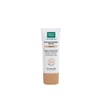
Martiderm The Originals Proteos Screen Color Fluid Cream SPF50+ is a tinted moisturizer that hydrates and protects the skin all the while evening out the complexion.
Martiderm The Originals Proteos Screen Color Fluid Cream SPF50+ is a tinted day cream with protective and anti-aging properties. As you apply and massage the product onto your skin, it reveals a natural tint that immediately evens out your complexion. Spectrum complex combines encapsulated pro-retinol, which protects against infrared radiation, and cacao extract, which protects against blue light (HEV), to grant broad spectrum photoprotection and delay aging signs. At the same time, proteoglycans are responsible for reaffirming and returning elasticity to the skin. In addition, Hyaluronic acid and silicon complex provide the skin with immediate and long-lasting hydration. With a cream-to-powder texture, the cream feels silky and comfortable and provides the skin with broadspectrum protection from UVA, UVB, Infrared radiation as well as blue lights. As a result, each application protects the skin from significant threats, all the while granting a fresh and healthy-looking appearance, and an even complexion.
Apply Martiderm The Originals Proteos Screen Color Fluid Cream SPF50+ as the last step of your morning skincare routine, before makeup.
In this section we answer frequently asked questions about MartiDerm The Originals Proteos Screen SPF50+ Medium 40ml (1.3fl oz)
Sunscreen gets its protective power from ingredients called sun filters, which fall into two groups. "Mineral" is the common name for inorganic filters, of which there are only two: zinc oxide and titanium dioxide. "Chemical" is the common name for organic filters, which are carbon-based compounds and cover multiple different ingredients. A mineral sunscreen uses only inorganic filters, a chemical sunscreen uses only organic filters, and a sunscreen that combines both is known as a hybrid.
Both types of filters mainly protect the skin by absorbing UV radiation. Mineral filters, along with a few organic ones, also reflect a small portion of it.
SPF measures protection against UVB radiation. In the EU, the highest SPF on a cosmetic sunscreen label is SPF50+, which corresponds to the "very high protection" category and is used when the measured SPF is 60 or higher.
Some sunscreens, usually designed for specific skin conditions, are classified as medical devices rather than cosmetics, and these can show higher values, such as SPF100.