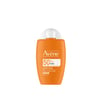
Avène Ultra Fluid Invisible Sunscreen SPF50 50ml combines sun protection with a lightweight texture for daily use.
Avène Ultra Fluid Invisible Sunscreen SPF50 50ml offers sun protection with an invisible, lightweight finish. On one hand, this sunscreen provides SPF50 protection, effectively shielding skin against UVB, UVA, and HEV blue light, while also protecting it from environmental pollution. At the same time, the ultra-fluid texture that feels as light as water leaves an invisible finish on the skin for a bare-skin effect. In particular, this sunscreen is designed for sensitive skin types, with a fragrance-free formula and optimal tolerance, and is suitable for all phototypes. Moreover, it boasts water-resistant properties. In summary, this sunscreen is a great addition to any skincare regimen, providing lightweight and invisible protection.
Shake well before use. Apply a generous amount of Avène Ultra Fluid Invisible Sunscreen SPF50 50ml to the face before sun exposure. Reapply frequently, every 2 hours, and after perspiring, swimming, or toweling.
In this section we answer frequently asked questions about Avène Ultra Fluid Invisible Sunscreen SPF50 50ml
Sunscreen gets its protective power from ingredients called sun filters, which fall into two groups. "Mineral" is the common name for inorganic filters, of which there are only two: zinc oxide and titanium dioxide. "Chemical" is the common name for organic filters, which are carbon-based compounds and cover multiple different ingredients. A mineral sunscreen uses only inorganic filters, a chemical sunscreen uses only organic filters, and a sunscreen that combines both is known as a hybrid.
Both types of filters mainly protect the skin by absorbing UV radiation. Mineral filters, along with a few organic ones, also reflect a small portion of it.
SPF measures protection against UVB radiation. In the EU, the highest SPF on a cosmetic sunscreen label is SPF50+, which corresponds to the "very high protection" category and is used when the measured SPF is 60 or higher.
Some sunscreens, usually designed for specific skin conditions, are classified as medical devices rather than cosmetics, and these can show higher values, such as SPF100.