- Get Free Shipping to Spain on orders over 55,00 €. Delivery can be as quick as 1 business day(s)!
- Subscribe our Newsletter for the freshest beauty news & tips!
- Get 30% Off on Eucerin, the Brand of the Month

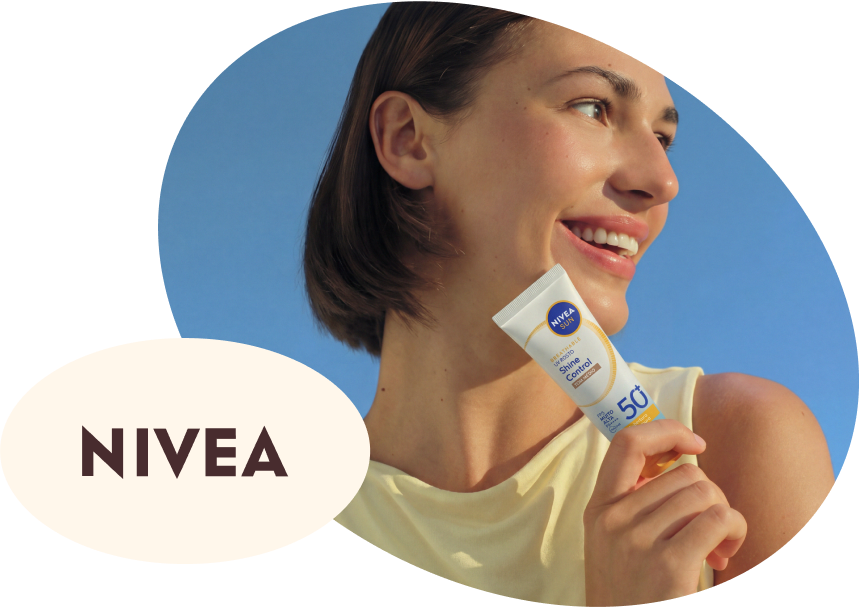

Created in 1911, the famous Nivea Crème in the blue tin is one of the most recognizable skincare products in the world.

With Nivea anti-aging products, you can boost your skin's natural defenses and help reducing the appearance of signs of aging.

Keep your skin healthy and radiant with the serums and creams that make up the Nivea skincare collection.

Nivea offers cleansers in different textures that adapt to each skin type to create a custom cleansing experience.
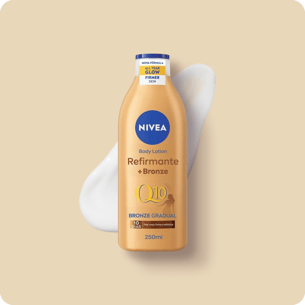
From shower gels to body lotions and creams, Nivea offers everything you need to make your skin healthy and smooth.
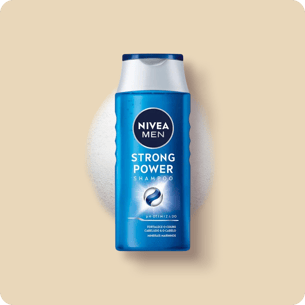
Nivea offers a range of hair care products for both daily and occasional use, depending on your hair concerns.
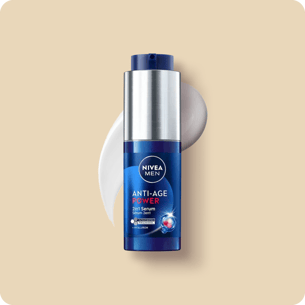
Discover Nivea Men collection, designed to fit each man's preferences and needs with a wide range of products.

Whether you are looking to protect your skin or enhance your tan, Nivea Sun keeps your skin safe and happy in the sun.

In this section we answer frequently asked questions about Nivea
 Get Free Shipping to
  Spain on orders over 55,00 €. Delivery can be as quick as 1 business day(s)!