Promotional price valid from 15/10/2026 to 31/10/2026.
Limited to existing stock.
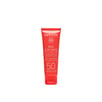
APIVITA Bee Sun Safe Anti-Spot & Anti-Age Face Cream SPF50 is a facial sunscreen that protects the skin from UVA, UVB, IR and blue lights while repairing and preventing signs of aging.
APIVITA Bee Sun Safe Anti-Spot & Anti-Age Face Cream SPF50 is a facial sunscreen that grants broad-spectrum protection and repairs signs of aging at the same time. WIth a comfortable velvety texture, the sunscreen is suitable for all skin types and is water-resistant.
The formula grants not only a rejuvenating action but also protects from UV rays, IR and blue light exposure. Containing marine algae, aloe and hyaluronic acid, the sunscreen grants immediate and long-lasting hydration as well as an anti-aging action. At the same time, sea fennel and achillea extract help to reduce the appearance of dark spots. In addition, a blend of chemical sunscreen filters (Uvinul T 150, Uvinul A Plus and Tinosorb S) provide the skin with photostable and broad-spectrum protection. Equally important, the packaging is eco-friendly, with a tube that is 50% recycled and 100% recyclable while the outer packaging is made of FSC certified paper. Protect your skin before sun exposure with this complete formula to prevent and correct signs of aging and dark spots!
Apply APIVITA Bee Sun Safe Anti-Spot & Anti-Age Face Cream SPF50 onto the skin before sun exposure. Use it as the last step of your morning routine, and reapply it throughout the day.
In this section we answer frequently asked questions about APIVITA Bee Sun Safe Anti-Spot & Anti-Age Face Cream SPF50 50ml
Sunscreen gets its protective power from ingredients called sun filters, which fall into two groups. "Mineral" is the common name for inorganic filters, of which there are only two: zinc oxide and titanium dioxide. "Chemical" is the common name for organic filters, which are carbon-based compounds and cover multiple different ingredients. A mineral sunscreen uses only inorganic filters, a chemical sunscreen uses only organic filters, and a sunscreen that combines both is known as a hybrid.
Both types of filters mainly protect the skin by absorbing UV radiation. Mineral filters, along with a few organic ones, also reflect a small portion of it.
SPF measures protection against UVB radiation. In the EU, the highest SPF on a cosmetic sunscreen label is SPF50+, which corresponds to the "very high protection" category and is used when the measured SPF is 60 or higher.
Some sunscreens, usually designed for specific skin conditions, are classified as medical devices rather than cosmetics, and these can show higher values, such as SPF100.