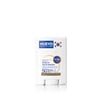
Nivea Sun UV Specialist Silky UV Stick Sunscreen SPF50+ 15g delivers very high sun protection with an invisible, non-greasy finish.
Nivea Sun UV Specialist Silky UV Stick Sunscreen SPF50+ 15g is a sunscreen stick that delivers very high protection against UVA and UVB rays while combating photoaging. It offers SPF50+ and PA++++ protection in a compact, easy-to-handle format designed for precision application on targeted facial areas. In fact, its drop-shaped design allows easy, on-the-go reapplication, keeping hands clean. Plus, the formula is fragrance-free, water-resistant, and sweat-resistant, so it won't run into the eyes, making it particularly well-suited to the more delicate zones of the face.
Thanks to the Silk-Touch technology, the texture is light and non-greasy, leaving the skin feeling smooth without any white residue or heavy finish. This makes reapplication discreet and practical at any point during the day. As a last note, the product is non-comedogenic and made in Korea. All in all, this is a good choice for anyone looking for a facial stick sunscreen that is both precise and comfortable to wear.
Apply Nivea Sun UV Specialist Silky UV Stick Sunscreen SPF50+ 15g directly onto the face, gliding the stick over the areas you wish to protect. Reapply regularly throughout the day, especially after swimming, sweating, or towel drying, to maintain continuous protection.
In this section we answer frequently asked questions about Nivea Sun UV Specialist Silky UV Stick Sunscreen SPF50+ 15g
Sunscreen gets its protective power from ingredients called sun filters, which fall into two groups. "Mineral" is the common name for inorganic filters, of which there are only two: zinc oxide and titanium dioxide. "Chemical" is the common name for organic filters, which are carbon-based compounds and cover multiple different ingredients. A mineral sunscreen uses only inorganic filters, a chemical sunscreen uses only organic filters, and a sunscreen that combines both is known as a hybrid.
Both types of filters mainly protect the skin by absorbing UV radiation. Mineral filters, along with a few organic ones, also reflect a small portion of it.
SPF measures protection against UVB radiation. In the EU, the highest SPF on a cosmetic sunscreen label is SPF50+, which corresponds to the "very high protection" category and is used when the measured SPF is 60 or higher.
Some sunscreens, usually designed for specific skin conditions, are classified as medical devices rather than cosmetics, and these can show higher values, such as SPF100.