 Shop at caretobeauty.com — Your online beauty store


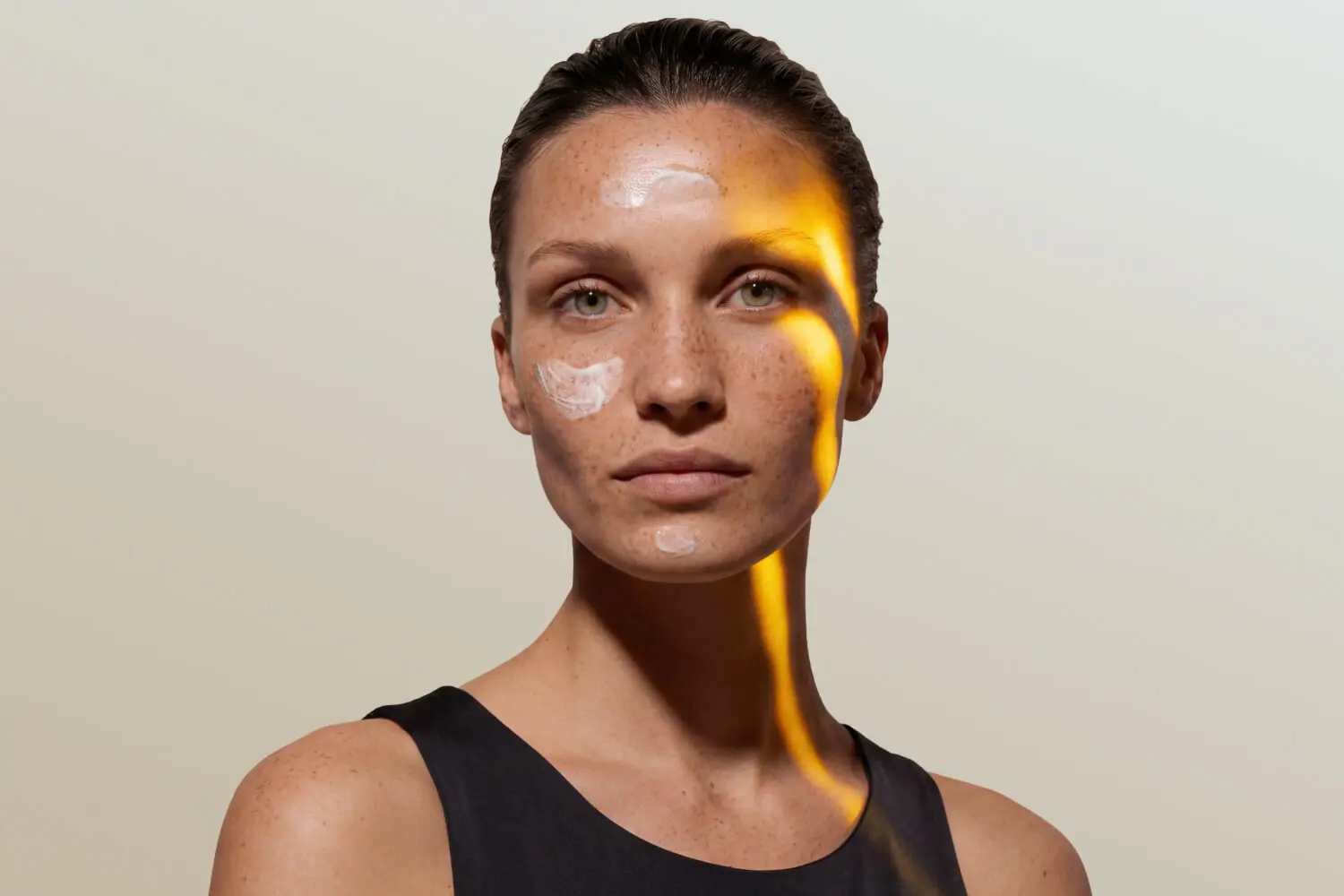

Dark spots on the skin, or hyperpigmentation, can be very different from each other and how to address them varies. It all comes down to the types of pigmentation on the skin, how they appear on your skin and what mechanisms you need to target to get visible results. It's important not only to know where dark spots are located but also (and mainly) what caused them. Let's delve into the main differences between the most significant causes of dark spots: melasma, post-inflammatory hyperpigmentation, freckles, liver spots, and birthmarks. Below, you'll be able to know exactly what characterizes each type of hyperpigmentation and we'll suggest a few products to target them.
What is hyperpigmentation?
Hyperpigmentation is an umbrella word for any patch of skin that is darker than the surrounding skin. When the skin, for any reason, produces too much melanin, then you'll notice freckles or dark spots. Most of the time, these are benign and won't require any treatment. However, for those specific issues that have known treatments, you may decide to have cosmetics on your side to target them. Read carefully the types of pigmentation we detail below and check if there's any kind of cosmetic treatment you can go for.
Types of hyperpigmentation
After understanding how differently hyperpigmentation can manifest on your skin, you should be able to see the different forms it can assume. Continue reading and find out when you can get the assistance of cosmetics to have the desired results!
Post-Inflammatory Hyperpigmentation
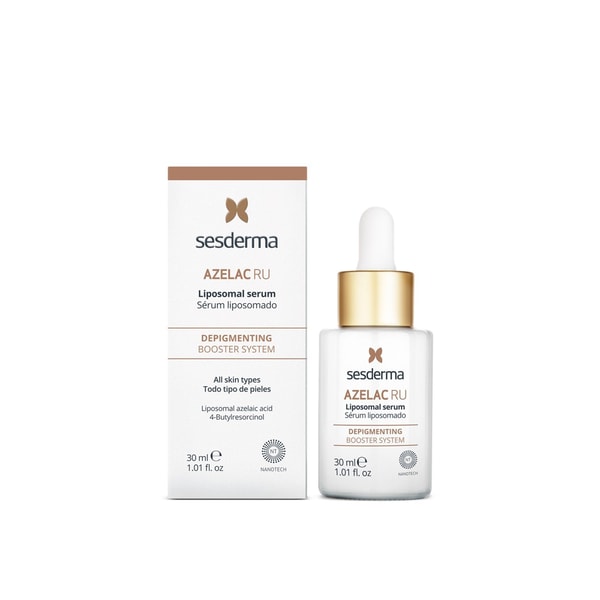
This is one of the most common types of pigmentation, and just as the name indicates they are related to inflammation. These dark spots are irregular, brownish-tinted, and appear in places where you've had inflammation or injuries. These are also the ones that appear after acne lesions fade away, even if you haven't touched them. This is because the inflammation process also triggers pigment production, especially on dark skin. The good news is that this type of hyperpigmentation fades more easily than other types of pigmentation, such as melasma. You can help it by slathering on some great sunscreens with at least SPF30 and using some ingredients that are known to work. The primary one for this is azelaic acid, but you can also check out retinol and peelings.
Besides acne, there are a few other skin conditions that can trigger these dark spots. Namely, eczema, lichen planus, and psoriasis. Please always make sure to consult your dermatologist before starting any depigmenting ingredient in your routine if you suffer from any of these.
Melasma
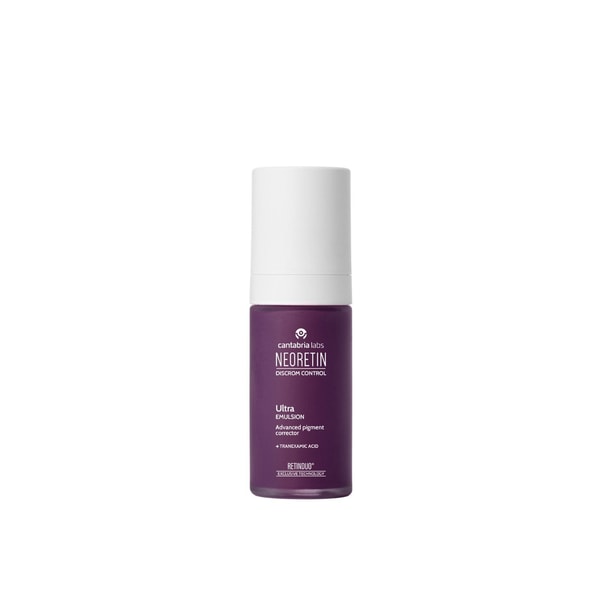
Melasma is extremely common and can be very upsetting for those who have it. It usually presents as well-defined brown spots on the centre of the face, jawline, or forearms. This condition is extremely common in women, who actually make up around 90% of melasma sufferers. This is no surprise when we consider the most predominant cause: hormones. In fact, pregnancy and oral contraceptives are the two most linked triggers of melasma. Additionally, sun exposure is extremely relevant to the onset of melasma.
So, what can one do? Melasma is progressive and treatments must be maintained indefinitely to achieve results. The most important thing you can do is to use sunscreen with at least SPF30. In fact, there are some sunscreens that will help fade dark spots, giving you an extra boost, but you will also need to see a dermatologist. There, you may be prescribed medication to apply, chemical peels, light or laser therapy. After seeing the doctor, there are some ingredients that will help you reduce dark spots, but always keep in mind that you will have to always use them.
Liver Spots (Solar Lentigines)
These yellow dark spots are extremely common at an older age. They show up especially on the hands, face, forearms, chest, back, and shins. In short, any area of the skin that was repeatedly exposed to sun radiation throughout the years. These dark spots can be managed by a dermatologist using topical meds, chemical peels, IPL, laser or cryotherapy. However, please keep in mind to always have a biopsy done if you notice any lesions compatible with melanoma or if you have pain or itching.
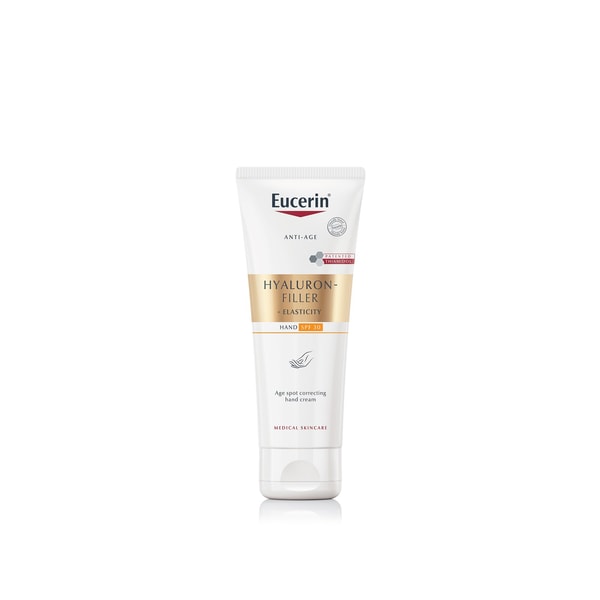
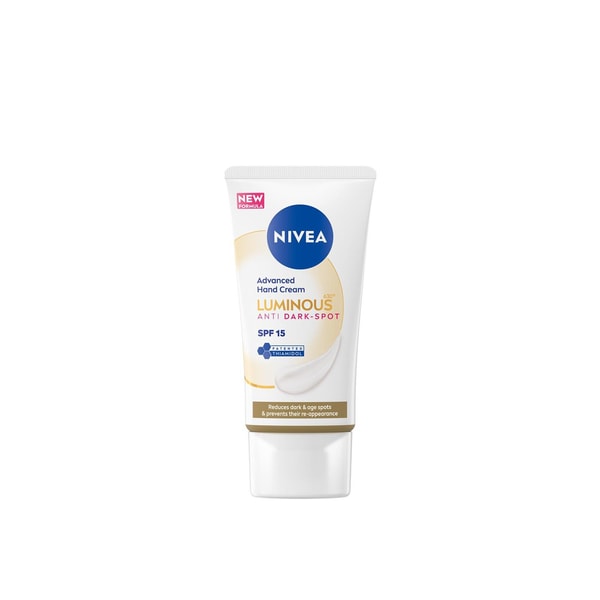
Lastly, keep in mind that the best course of action against solar lentigines is prevention. You can manage this by regularly applying sunscreen and using antioxidants such as vitamin C. We hope that, by now, the application of facial sunscreen daily is not even a question anymore, but it's not always easy to extend the same care to the skin of the body. An easy way to prevent this kind of dark spots on your hands is to switch your regular hand cream for one with SPF. This is a no-brainer that adds protection without adding another step in a beauty routine.
Freckles (Ephelides)
There are some types of pigmentation that you don't have to sort out, and this is one of them. Freckles should be addressed like moles: don't try to remove them by yourself. They are small yellow/light brown spots that tend to show up more with sun exposure. Usually, they tend to fade away (sometimes completely) during the winter months. This means that if you want them to show up less, you should always use sun protection.
With freckles, there's only one way to make them vanish, and that is full-coverage makeup. Don't get us wrong: we encourage you to let your freckles add their unique charm to highlight your face. However, if you want to forget about them for a few hours, the only way is to use a full-coverage foundation that's made especially to cover the most contrasting beauty features. These formulas even out the complexion, creating a smooth canvas as a base for your makeup looks.
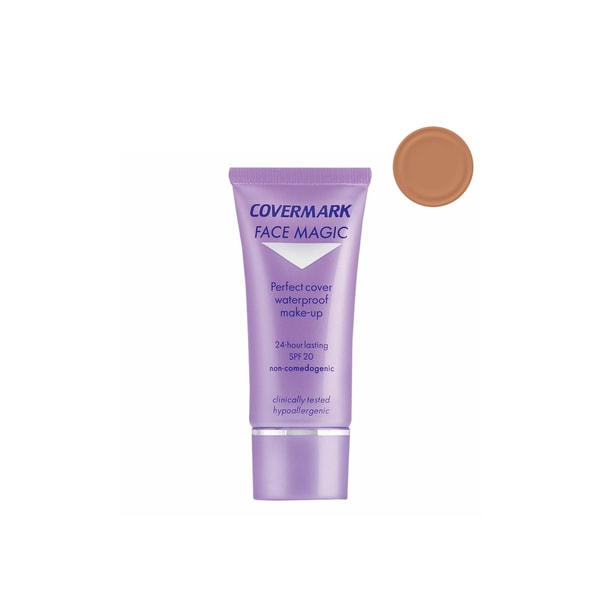
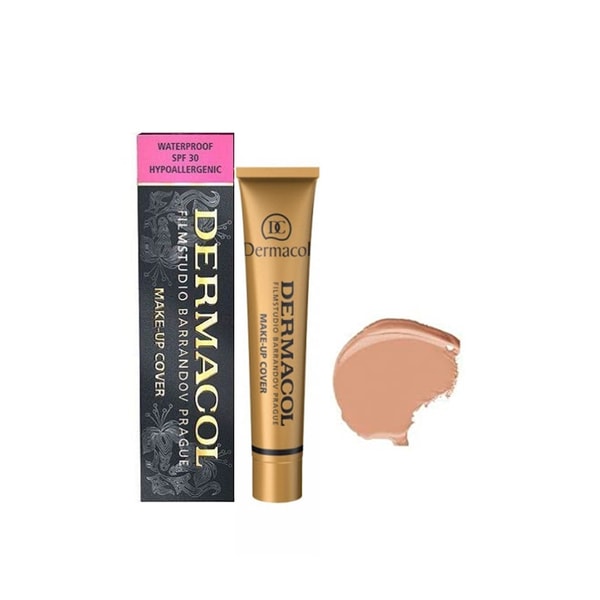
Check out all the products that you can use to reduce hyperpigmentation and dark spots on our website. We have plenty of options, from serums to sunscreens, to effectively target hyperpigmentation.
